Ancient Manuscripts brought back to life: IMAGO begins creating Facsimiles for the future Terra Sancta Museum Art & History
- A selection of historic manuscripts and documents from the collections of the Custody of the Holy Land will be reproduced in facsimile by IMAGO for the future Terra Sancta Museum Art & History.
- The facsimiles will allow visitors to encounter these documents through faithful reproductions, while the originals remain preserved under appropriate conservation conditions.
- The collaboration reflects a shared commitment to preserving cultural memory and making the history of the Holy Land accessible to future generations.
[Jerusalem, September 2026] – The Terra Sancta Museum Art & History has begun a new collaboration with IMAGO, an Italian publishing house and artisan workshop specialised in the reproduction of ancient manuscripts and illuminated codices. The project, financed by AICS Agenzia italiana per la cooperazione allo sviluppo– will see a selection of historic documents from the collections of the Custody of the Holy Land reproduced as highly faithful facsimiles, to be displayed in the future Terra Sancta Museum Art & History in Jerusalem.
The facsimiles requested offer an overview of the remarkable historical and cultural richness of the collection. They include papal bulls dating from the 13th to the 15th century, as well as legal and diplomatic documents concerning the Holy Places and the presence of the Franciscans in the Holy Land. The collection also preserves Ottoman documents, including firmans* and official dispositions concerning Franciscan rights. Together, these documents reflect the complex political, religious and cultural history of the Holy Land across the centuries.
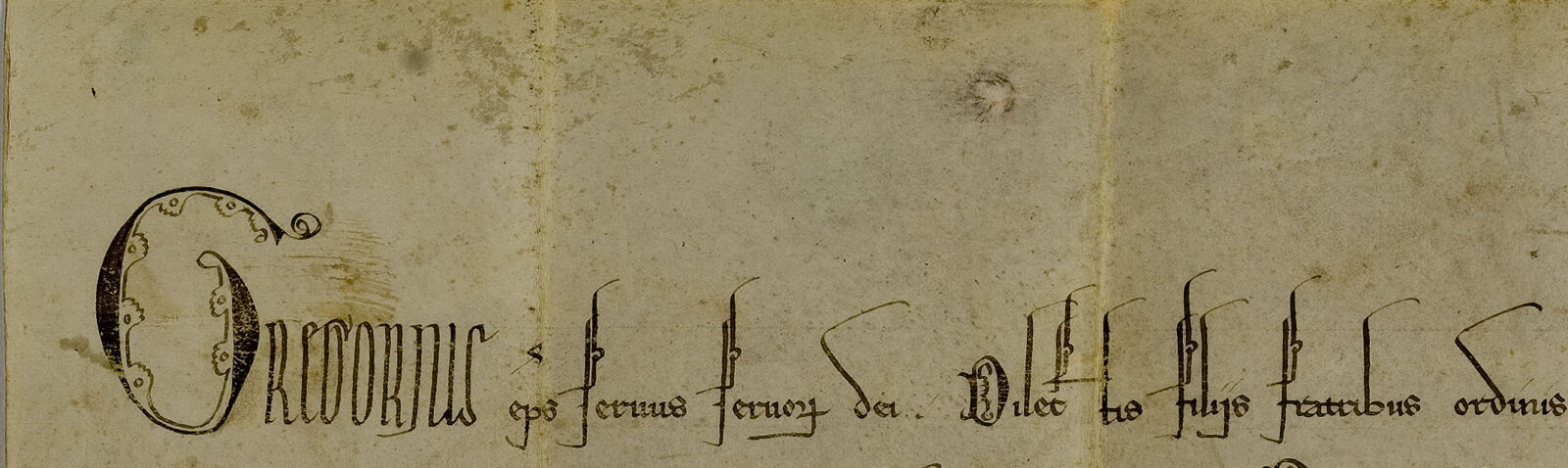
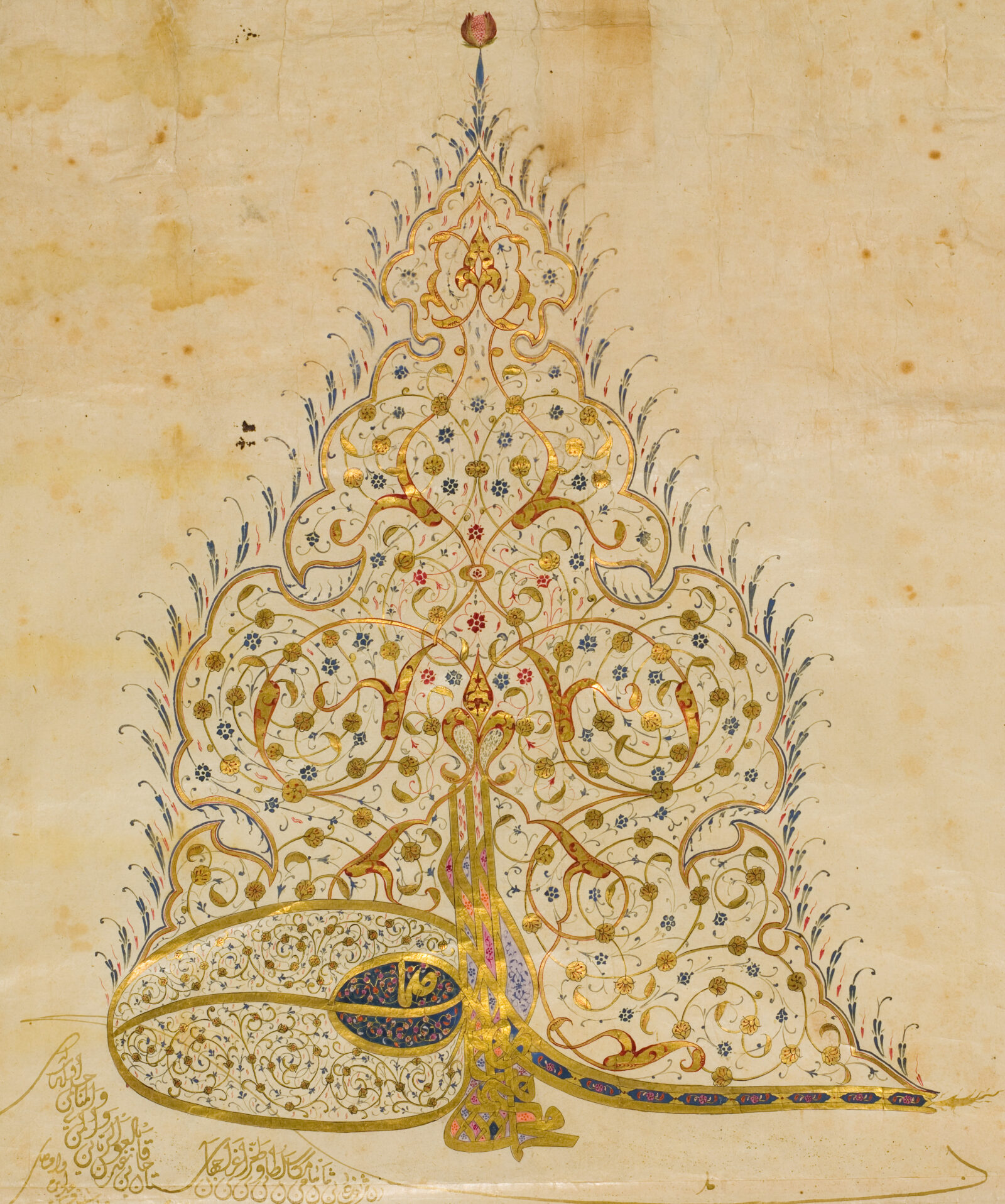
*Firmans are official decrees or orders issued by the Ottoman sultan or by imperial authorities to establish, confirm, or regulate a particular matter.
More than a reproduction
A facsimile is not simply a copy of an ancient manuscript. Its purpose is to reproduce the original as faithfully as possible, including not only its text and images, but also its material characteristics.
As Barbara Bertoni, Commercial Director of IMAGO explains:
“It is not simply a copy. It also transfers the emotional part: the aged paper, the type of binding, the imperfections. The difficulty is to make a book from the 1500s look like a book from the 1500s – so that it does not look as though it was made today.”
This approach is at the heart of IMAGO’s work. The company, active since 2012 and founded on more than twenty years of experience in the field, describes its work as a meeting between technology and craftsmanship. Its specialists follow the different stages of production internally, from the study and digitisation of the original manuscript to graphic processing, printing, gilding, ageing of the paper and hand binding. Even the smell of the old paper.
Each manuscript presents a different challenge. The original pages must be captured in extremely high resolution and carefully processed to reproduce colours, dimensions and details with the greatest possible accuracy. Where manuscripts contain extensive gold decoration, the gold elements may need to be isolated and reconstructed individually before being applied to the printed pages. The final stages involve reproducing the structure and appearance of the original binding and, where appropriate, the ageing and other material characteristics of the manuscript.
Preserving the material memory of the Holy Land
For the Terra Sancta Museum, the project is part of a broader commitment to preserving and communicating the documentary heritage of the Holy Land.
This is particularly meaningful in Jerusalem and the Holy Land, where documents preserved in the archives of the Custody can bear witness to historical periods and communities whose material heritage has otherwise been lost.
“We all have the awareness that we are participating in something bigger: the preservation of our memory. And if we lose that, we lose everything.” affirms Bertoni.
This understanding is closely aligned with the mission of the Terra Sancta Museum.
The facsimiles will therefore make it possible to present these documents to the public while allowing the originals to remain protected under appropriate conservation conditions.
A document as an instrument of peace
The significance of the project goes beyond conservation. For IMAGO, reproducing historical documents connected to the Holy Land also raises questions about the role that cultural heritage can play in creating shared spaces of knowledge, dialogue and encounter.
Maria Giovanna Fadiga, Cultural Director of Imago, sees documents and cultural heritage as potentially having a diplomatic dimension. Documents, she explains, can act as “diplomatic tools”. In this perspective, reproducing a document can also become a way of bringing people together around a shared piece of history and culture.
The idea is particularly relevant to a project centred on documents preserved in Jerusalem and connected to the long history of the Franciscan presence in the Holy Land. Rather than remaining accessible only to specialists or protected behind the walls of an archive, these documents will be given a new, tangible form through which their history can be encountered by a wider public.
For Barbara Bertoni, this ability to bring people together is closely connected to the role of culture itself. As she puts it, “it is very beautiful that there can be a common ground that can bring everyone together, and that common ground can be culture.” Culture can therefore provide a meeting point, even when people may differ in their views on other matters.
The Terra Sancta Museum sees this as part of its mission: preserving the past while creating spaces for people to encounter and share the history of the Holy Land. In this sense, the reproduced document becomes more than a copy -it becomes a shared point of reference, bringing people together through culture and heritage.
For IMAGO, the collaboration with the Terra Sancta Museum is also an opportunity to contribute to the preservation and transmission of a shared cultural memory. Bertoni describes the possibility of reproducing previously unpublished Franciscan documents connected to the Holy Land as an honour that goes beyond professional pride.
The production of the facsimiles is now underway.