A museum serving its local community – and beyond
A museum offers communities a place to explore their history and share their heritage. In Jerusalem’s Old City, where questions of identity and belonging are particularly significant, Room 21, the future mediation space of the Terra Sancta Museum Art & History, will bring Palestinian heritage to the public through cultural activities, education and encounters between local communities and visitors from different backgrounds.
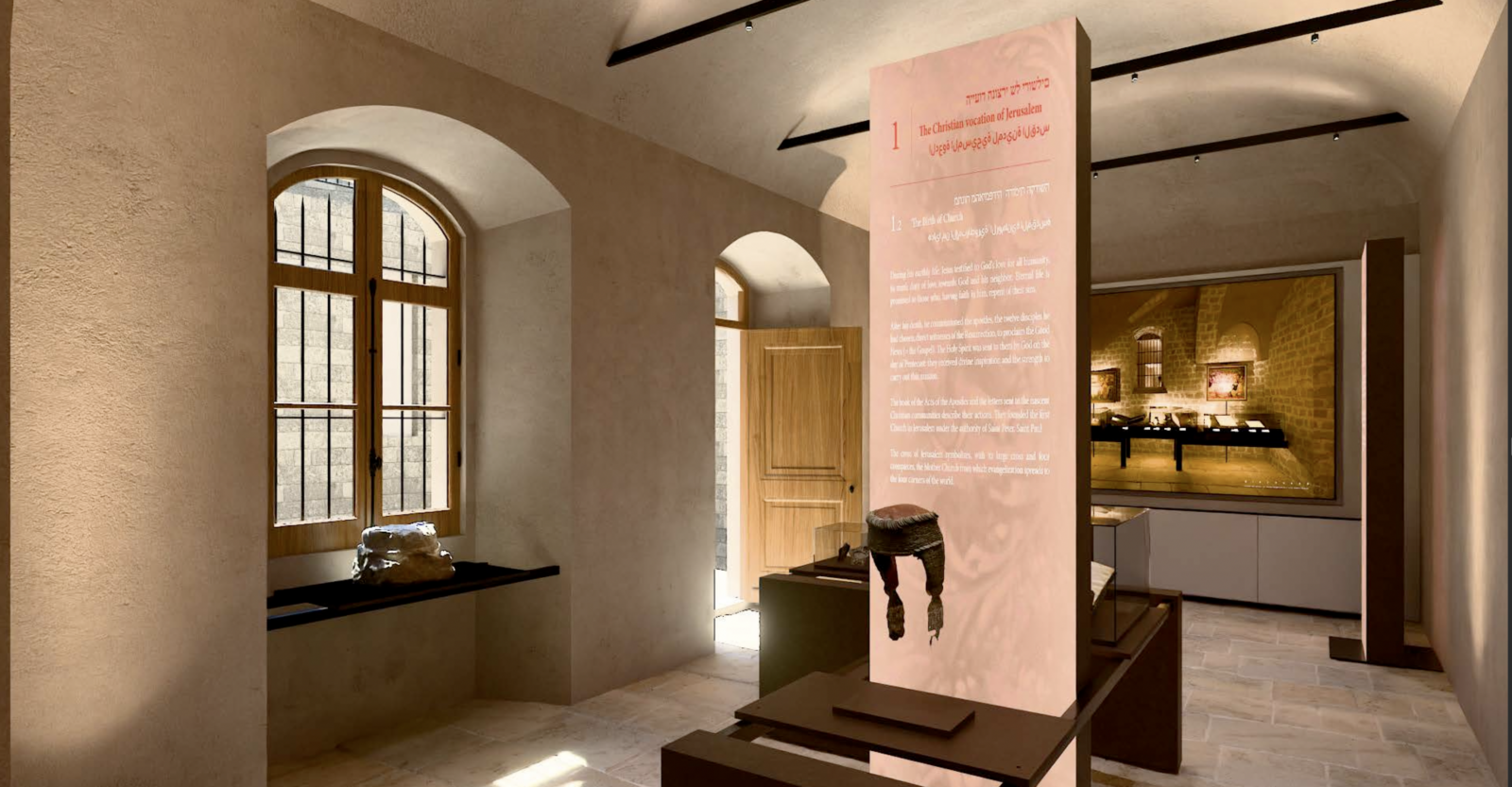
Much more than a museum
Room 21 will serve as a dynamic, multifunctional space dedicated to temporary exhibitions and cultural exchange. Designed to host rotating displays, conferences and round tables on topics related to the Custody of the Holy Land’s historical mission, it will feature display cases and exhibition supports showcasing original objects and high-quality facsimiles that trace the history of the Palestinian people and their centuries-old bond with the Custody. These may include historical parish registers from Saint Saviour’s Church, icons reflecting the devotional practices of the Christian community, and examples of the craftsmanship of Ottoman-era artisans.
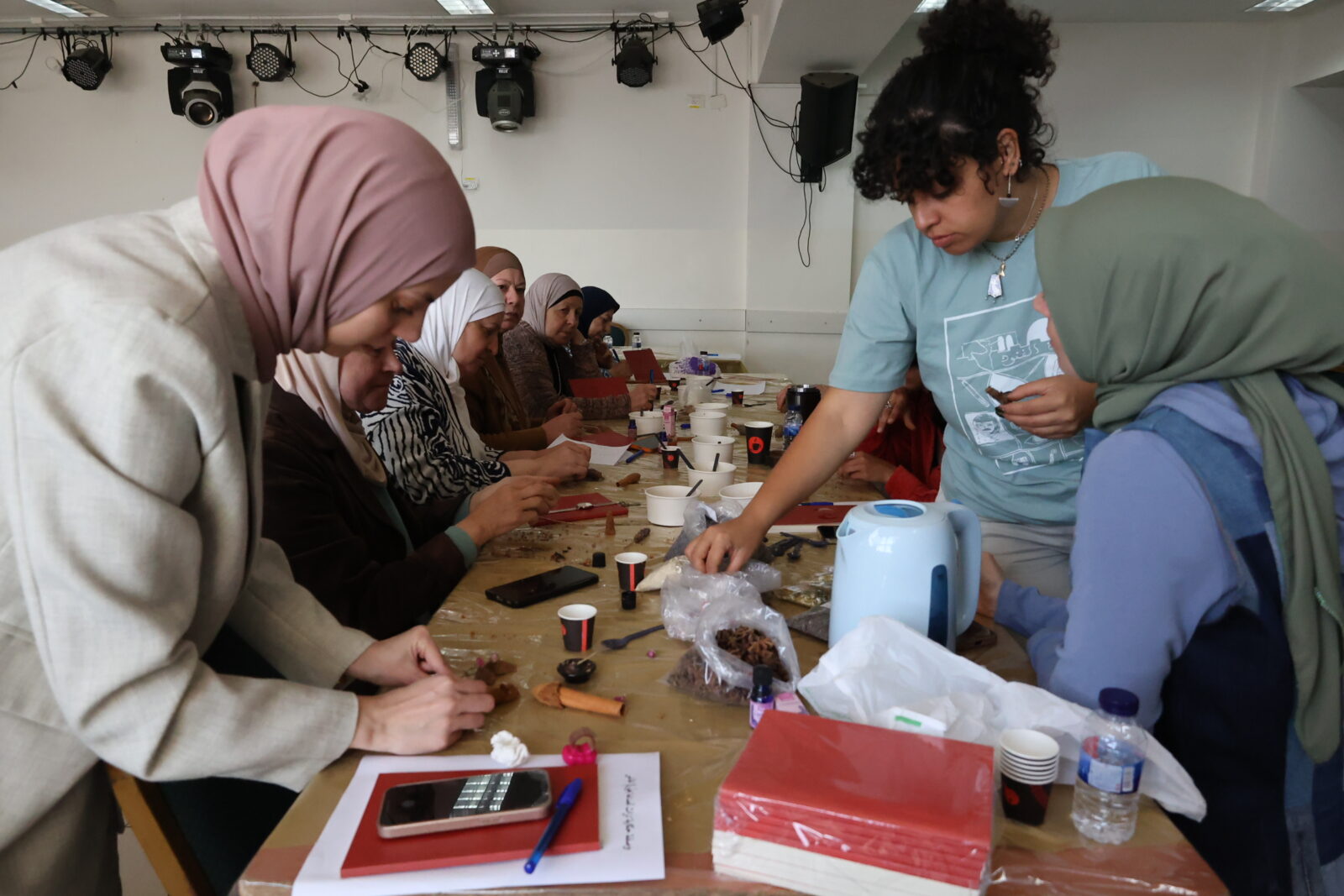
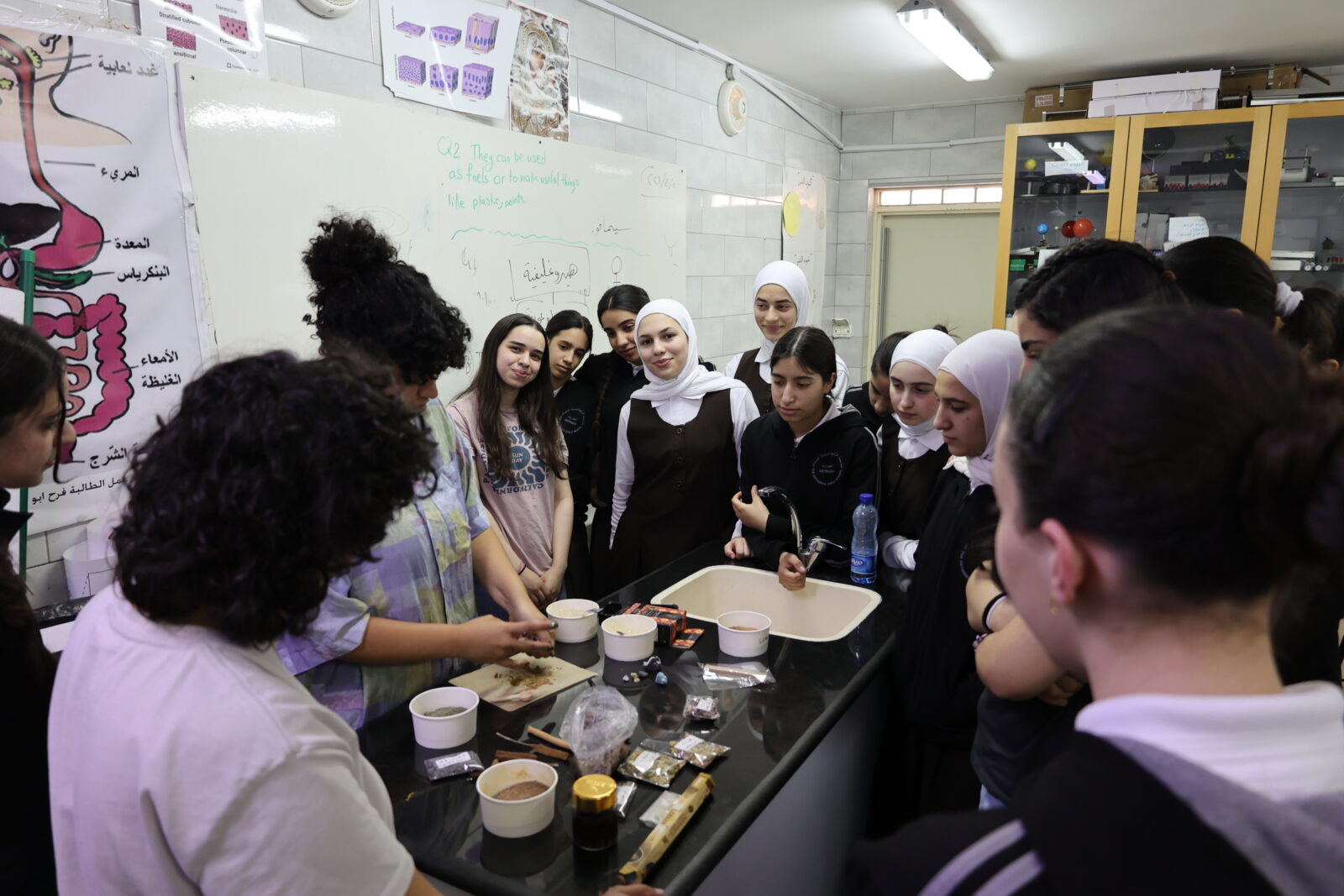
The room will also host educational programmes for children and students, cultural mediation workshops, film screenings and professional meetings. Its activities will extend beyond educational initiatives, creating opportunities for more specialised cultural and academic exchange. Historians, art historians, experts in religious art and other scholars will be able to gather for conferences, discussions and encounters exploring the history and heritage of the Holy Land.
With its multifunctional design, Room 21 aims at welcoming a diverse audience, from local residents and Palestinian school groups to international visitors and pilgrims, as well as researchers, cultural professionals and institutional partners. This is because the Museum’s team believes in bringing together different forms of knowledge and experience, fostering dialogue across generations, disciplines and cultural backgrounds.
Heritage belongs to the communities who carry it
At the heart of the project lies a commitment to making Palestinian heritage visible and meaningful, recognising local communities as protagonists in its interpretation and transmission. Heritage remains alive when people can engage with it, understand its significance and recognise themselves within its stories.
Building on the cultural mediation activities already developed by Pro Terra Sancta, which has been training Palestinian cultural mediators and working with school networks, the programme will hence place local mediators at the centre of the design. Their knowledge, perspectives and agency will shape how Palestinian heritage is presented and shared, enabling local communities to take ownership of their cultural narratives and represent the richness of their heritage.
Here’s the point of view of Eyad Handal, a cultural mediator and the Eastern Collections Assistant of the TSM Art & History: This vision comes to life directly in our spaces: at the Terra Sancta Museum of Art and History, Room 21 (designated as ‘The Children’s Museum: A Didactic & Project Room’) serves as an educational space dedicated to material cultural heritage and hands-on, object-based learning. We view Room 21 as the heart of our museum. Designed as an interactive environment, it will continuously welcome local families, students, and visitors through an interactive multimedia section, workshops, public lectures, cultural events, hands-on educational activities, and temporary exhibitions. These exhibits showcase local crafts, liturgical objects, and historical artifacts that reflect centuries of local Christian heritage and the historical outreach of the Franciscans through early craft workshops, schools, musical band, and pharmacies that served all local communities regardless of religion or race, bound by a shared faith in humanity. In this initial phase, Room 21 will also act as a permanent information hub for all guests, introducing the future museum’s key sections, overall vision, architectural maps, and upcoming exhibit collections. By serving as both an engaging educational center and a welcoming orientation venue, Room 21 animates our museum’s mission for every visitor.
The TSM as a Cultural Hub
Cultural heritage should not remain a static legacy, but become a resource that supports living communities. Through exhibitions, workshops, conferences and cultural events, Room 21 will bring new activity to the New Gate neighbourhood, creating opportunities for cultural participation and interaction with nearby local businesses. Art and cultural mediation will thus serve a broader purpose: connecting heritage with the lives of local communities and contributing to the cultural and social vitality of Jerusalem’s Old City.
A living museum, open to dialogue
Room 21 reflects a vision of the museum as more than a place to encounter historical objects. It will be a space where heritage can be explored through exhibitions, educational activities, research and dialogue, connecting the history of the Custody of the Holy Land with the communities, scholars and visitors who engage with it.
By bringing together audiences with different experiences, interests and perspectives, Room 21 will contribute to a museum that is rooted in its local context while remaining open to the wider world. Palestinian heritage will be at the heart of this encounter, providing a starting point for learning, cultural participation and a deeper understanding of the history of the Holy Land.