Advancement of the Terra Sancta Museum Art & History: first Scientific Committee of 2026
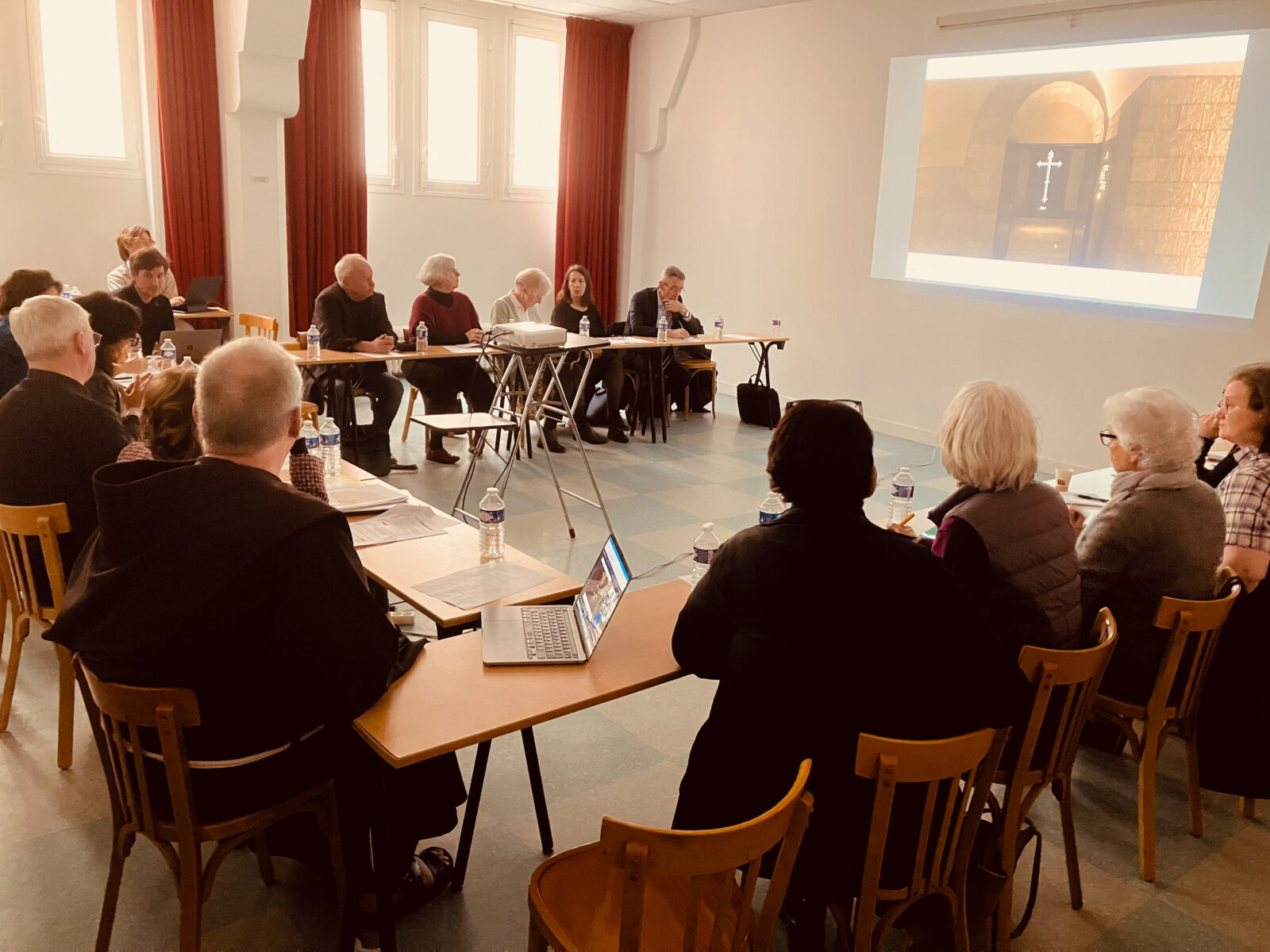
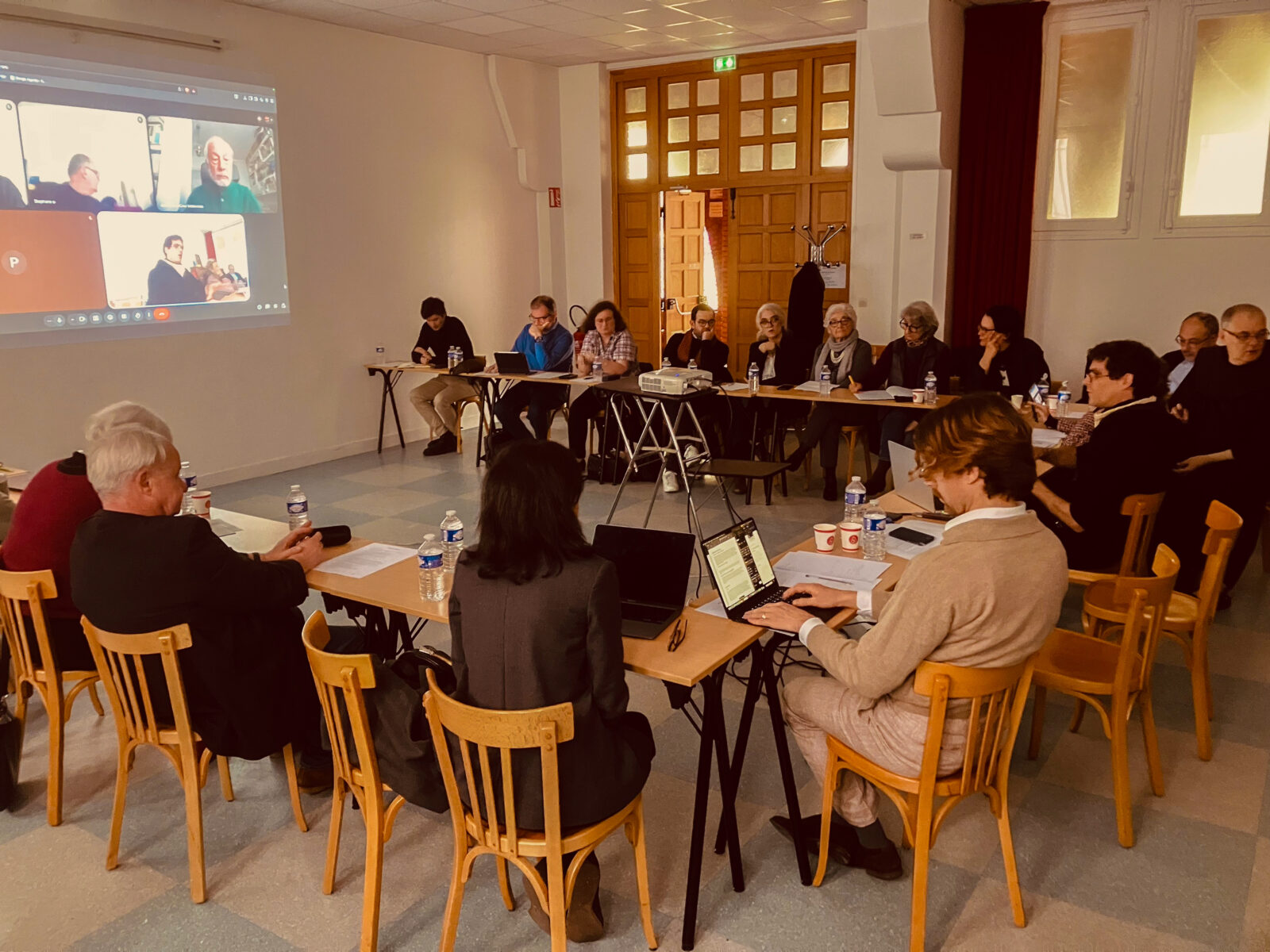
More than thirty members of the Scientific Committee of the Terra Sancta Museum gathered in Paris on March 16, 2026, joining from Italy, France, Jerusalem, and beyond. Bringing together a diverse group of experts and collaborators, the meeting marked a key moment to take stock of progress and shape the next phase of this ambitious museum project.
A major milestone was confirmed during the session: the formal launch of the final design phase (PRO) on April 23, 2026. This phase will pave the way for the delivery of tender documents (DCE) by the end of the year, following local validation of the studies. Technical supervision has been entrusted to Eng. Jawad, ensuring continuity and internal coordination within the Custody.
The construction strategy reflects both practical and financial considerations. The site will be developed in four operational zones, allowing for flexibility in implementation and cash flow management. Among these, Room 21 stands out as a priority -an independent and adaptable space envisioned as a hub for community engagement and project presentation, even before the museum’s full completion.
Particular attention has been given to preserving the architectural integrity of the underground spaces. Rather than relying on heavy mechanical systems, a new environmental strategy takes advantage of the site’s natural thermal stability -maintaining a constant temperature of around 14°C. This has led to the decision to transition from a mechanical smoke extraction system to a natural one, reducing the need for invasive infrastructure and aligning conservation with sustainability.
Beyond the technical aspects, the meeting highlighted the museum’s strong experiential dimension. The exhibition path is being conceived not only as a visual journey, but as a multisensory experience. Visitors will encounter spaces where objects are complemented by sound and scent -such as incense and nard- creating a deeper emotional and cultural connection with the works. Carefully designed lighting will further enhance this experience, illuminating both the objects and their surroundings while respecting the strict conservation requirements of delicate materials like textiles.
One of the most fascinating discussions focused on the Bethlehem Treasure and the reconstruction of a medieval organ from the Church of the Nativity. These 12th-century artifacts represent a unique archaeological heritage. The project aims to create a fully functional facsimile of the organ, combining scientific analysis with experimental restoration. Ongoing metallographic studies suggest that the pipes may originate from Northern France, while the reconstruction process carefully considers materials to ensure preservation. The final installation will not only be visual but also auditory: visitors will be able to experience medieval melodies, such as Benedicamus Domino, bringing the past to life through sound.
Looking ahead, the museum is also expanding its digital infrastructure. A new website is being developed as a network platform, connecting different sites and collections, while a centralized ticketing system will streamline access across locations such as Nazareth, Bethany, and Jerusalem. The goal is to launch both the website and the collections portal by the end of 2026.
Another milestone is in program: the installation of new skylight windows is in fact scheduled for summer 2026, marking a visible step forward in the site’s transformation.
Overall, the meeting reflected strong momentum and a shared vision: to create a museum that is not only a place of preservation, but also of experience, research, and connection -capable of engaging audiences across cultures while remaining deeply rooted in the heritage of the Holy Land.