Local voices join the TSM Art & History Team
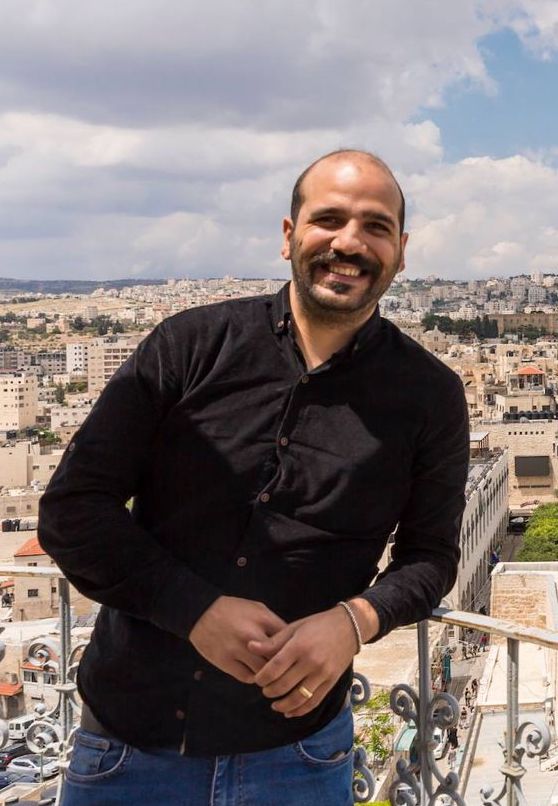
Could you briefly introduce yourself?
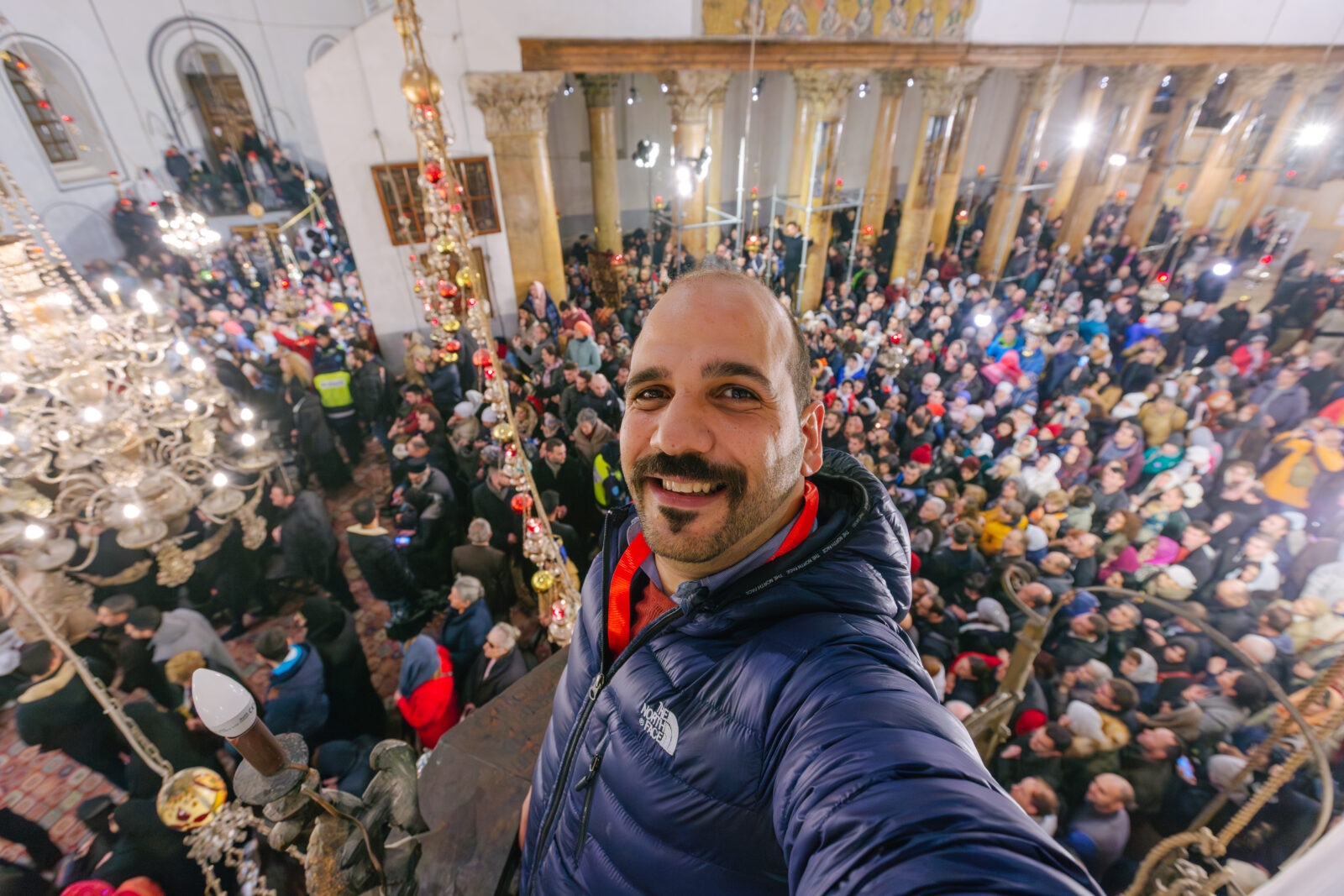
My name is Elias Halabi. I was born in Jerusalem in 1984 and I live in Bethlehem. I studied Social Studies and Psychology at Bethlehem University, and I am currently completing a Master’s degree in Contemporary Arts at Dar al-Kalima University. I have been working as a photographer for around twenty years, and for the past fifteen years I have collaborated with the Church of the Nativity. I have carried out projects and international exhibitions in several countries, including Germany, France, the United States, and the United Kingdom, in order to tell the stories of Palestinian communities.
In recent years, I have become increasingly interested in Palestinian photographic archives, especially those of Bethlehem, and in the topic of cultural heritage in our land and churches.
What do you do now at TSM Art & History? What is your role?
I am the Digital Communications Officer. I manage the museum’s social media, visibility, and photography, and I work on creating connections between the objects that will one day be displayed and the daily events and liturgies connected to them. For this reason, I constantly consult the museum archive.
This is what I love: telling the story of these objects and showing how they are still “alive,” part of an ongoing story. Working at the museum allows me to combine my passions for photography, archiving, and cultural heritage.
For me, working in Jerusalem is a blessing, even though for now we mostly work online, since Palestinians from the West Bank need permits to enter, we hope this situation will be temporary.
What excites you most about your work at the museum?
In our work at TSM Art & History, we do not simply catalogue objects: we tell their stories. Every object in the museum has a continuous and evolving life. What matters is not only who created, carried, or donated it; often these objects are still used in liturgies, and they are also frequently part of our international exhibitions, such as the current one at the Kimbell Art Museum in Texas. They are living elements that people come to know through the museum.
And this is exactly what we try to show: often people walk past icons, altars, or other elements of the church without really knowing their meaning. Through the museum, however, people discover their stories and begin to look at them differently. For me, it is also a learning experience: sometimes I enter a church, see an icon or an object, and realize that I do not know its story. And that is precisely the beauty of it.
All of this is part of our heritage, our identity, and our existence. Often we know the religious feasts, but not truly everything surrounding them. This is why archives and databases are essential: they preserve information, research, and memory, helping us better understand Palestinian iconography and our history as local Christians.
It is also important for pilgrims and visitors who come to Jerusalem and Bethlehem: they encounter not only historical buildings, but a living heritage. The museum also creates a bridge between different communities, because even those who do not belong to the Christian community can understand the meaning of an icon and connect with the local history. It is a spiritual, cultural, and human experience, which everyone experiences from their own perspective.
What are your hopes for the museum? What are your hopes for the local Christian community- and not only for Christians, but for the local community as a whole?
It is very important that the museum becomes a meeting place for the community, a place where people can understand one another. We are living through a crucial moment for understanding the local population and for recognizing there is no difference between being Christian or Muslim.. And I hope it will become a meeting place for all.
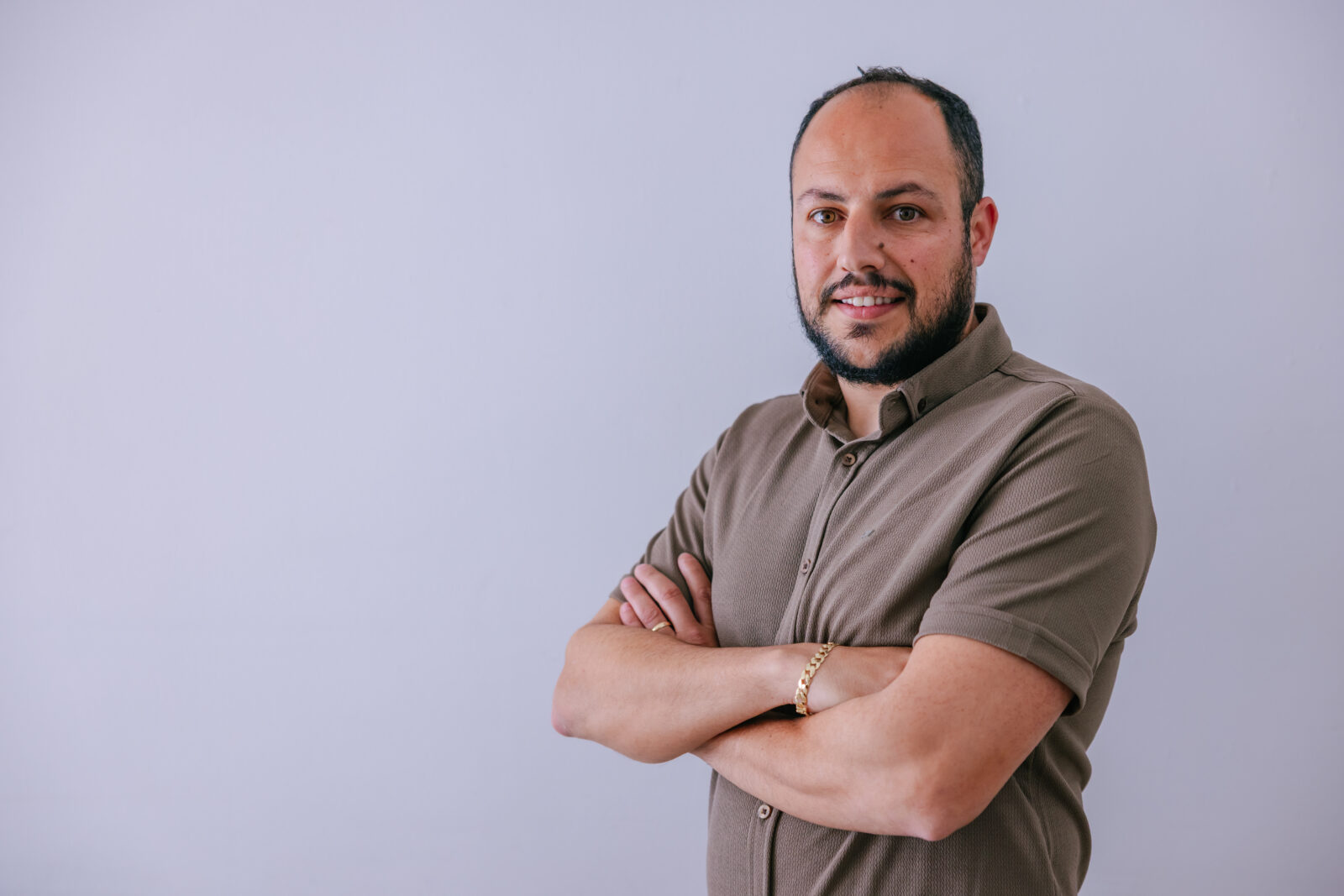
Could you briefly introduce yourself?
My name is Eyad Handal. I studied History and Archaeology at Birzeit University and later completed a Master’s degree in Tourism Studies at Bethlehem University. I did a six-month training period at the Vatican Museums, where I worked in the Educational Department and conducted tours for visually impaired visitors. I have been working in cultural heritage for around seven years since
I currently live in Bethlehem and I work between Bethlehem and Jerusalem.
Have you previously worked with the TSM?
My experience with the Terra Sancta Museum SBF Collection began through a training program in the archaeology department, supported by the EU and aimed at involving young Palestinian guides in cultural heritage work.
Even though I was deeply passionate about heritage and history, I had never heard of the museum before, despite the fact that it is one of the oldest museums established in Palestine. That realization shocked me and made me realize how little space local voices often have.
I joined the program thanks also to George Al’Ama, who introduced me to this opportunity and encouraged me to participate while I was still working at Dar al-Sabbagh. His support was very important to me.
The experience was transformative. I had the chance to meet important archaeologists such as Eugenio Alliata, whose knowledge and passion deeply inspired me. Inside the museum, I also discovered the history of the Franciscans and their role in preserving the heritage of the Holy Land for more than eight hundred years. Exploring the archives and library filled me with pride and made me understand how much there still was to learn.
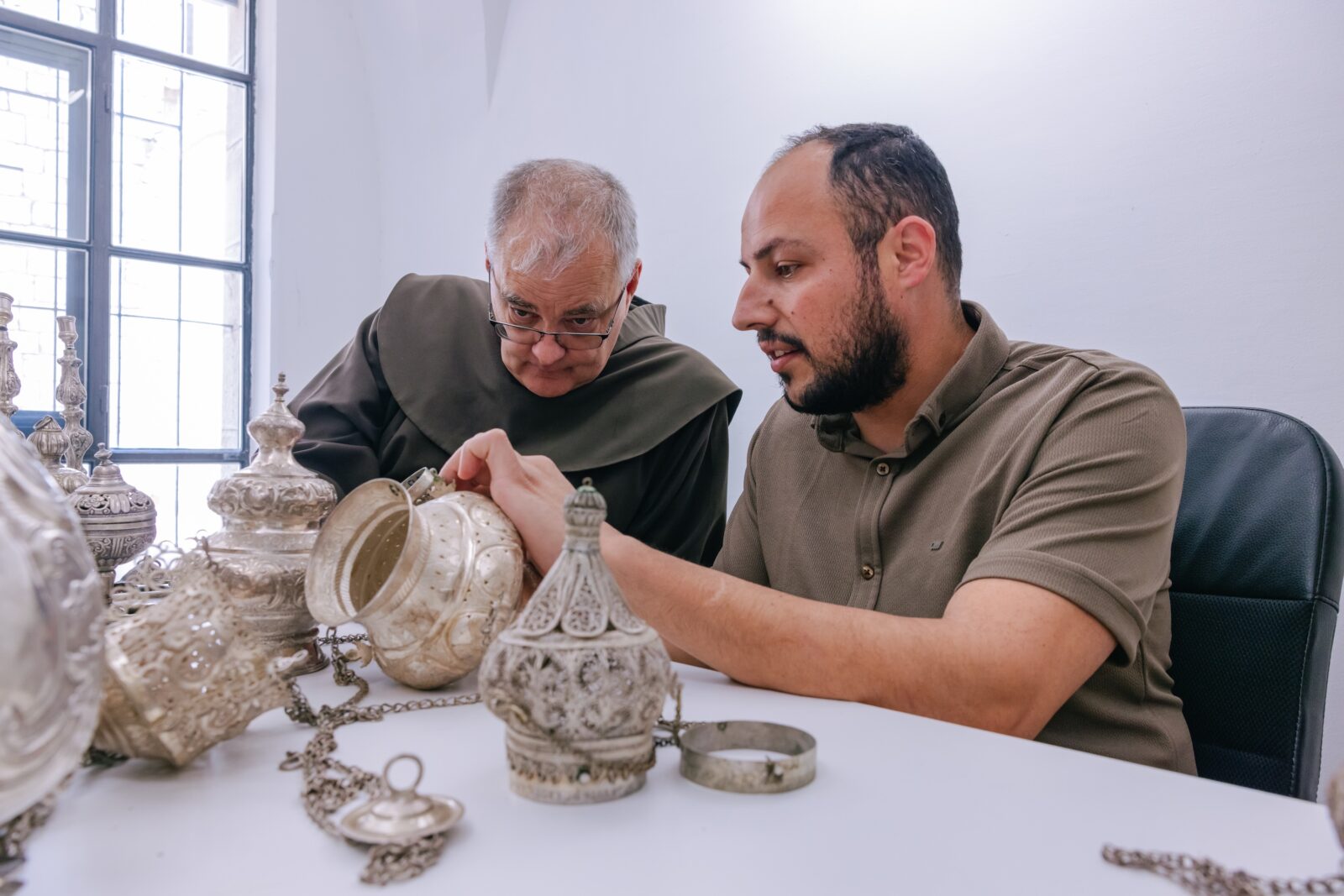
Among the projects I worked on were an audio guide tour for visitors with visual impairments, an educational booklet for families, and a tour on the history of icons in Jerusalem.
And now you work again with the Terra Sancta Museum?
Yes, and I am extremely happy and proud of it. For me, this position feels like the result of years of effort and dedication – almost like a reward.
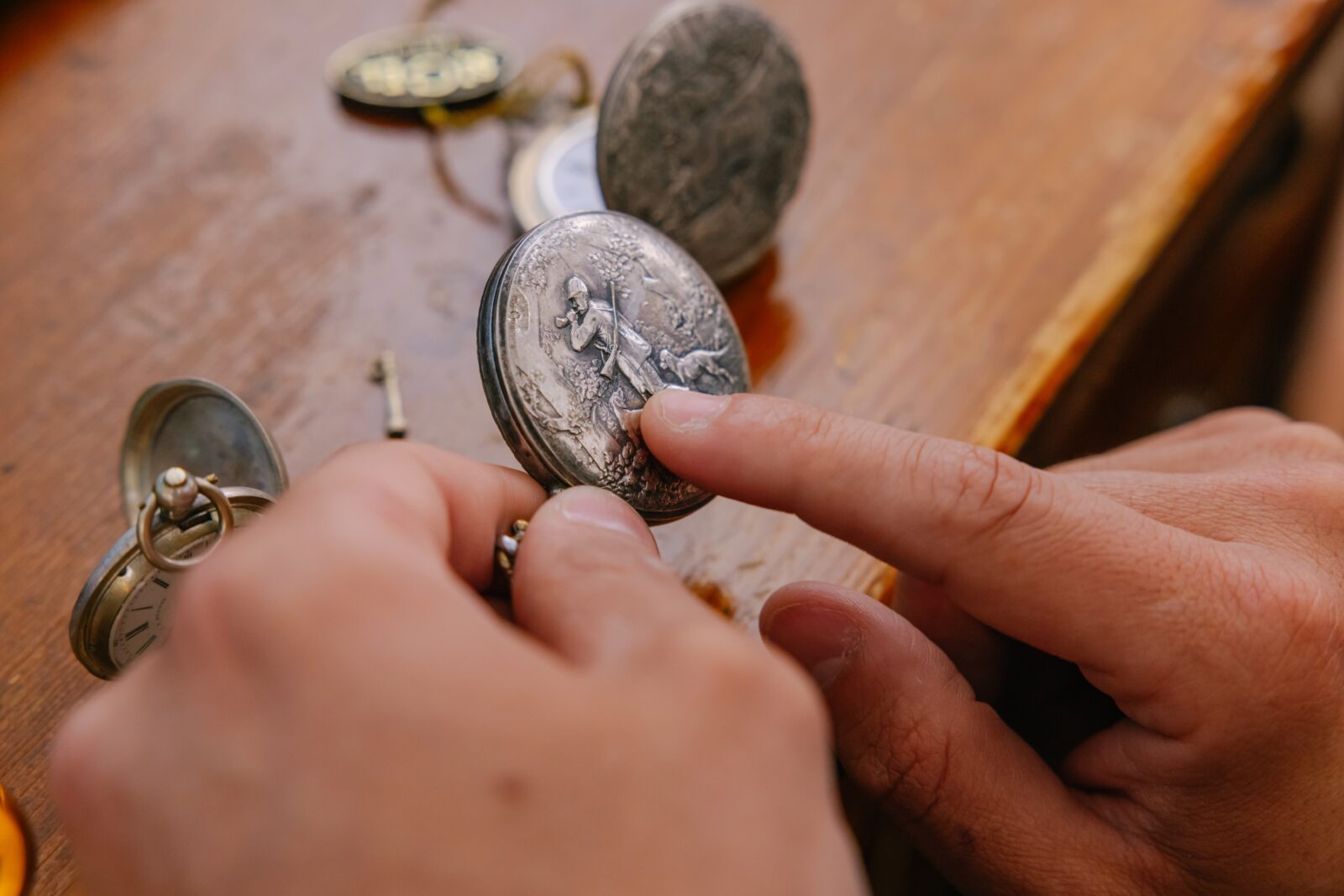
My work currently has two dimensions. One is specifically connected to cataloguing and documentation of the local and collections, where I have been working for about three months now. The second concerns the educational department, which is still in the planning phase as we continue developing ideas for the museum.
I care deeply about the history and culture of my people. Through this educational and documentation work, I am discovering personalities, stories, and people from my city and my country – Palestine – connected to the history of the Franciscans and the Holy Land.
What truly surprised me was the quality of the database and archival work. Everything related to the history and culture of local Christian communities – and not only Christians, but the wider local society of the Holy Land – has been carefully documented over many years.
For me, this was astonishing and deeply meaningful. These archives are treasures waiting for researchers to study them. Being part of this process and contributing to the study of these materials feels almost like reconstructing the history of an entire city and an entire people. That is why I feel proud of this work.
Why do you think building a museum is important today, especially in a region marked by instability?
A museum is always important because it creates a space for people to learn – about their history, their heritage, their culture, and their identity.
The existence of the Terra Sancta Museum and its historical collections is therefore extremely important. The objects that will be displayed are not valuable only because they are beautiful works of art. They also tell us who created them, how they were used, the customs and traditions surrounding them. All of this helps preserve memory and ensure continuity. It allows us to write a narrative grounded in historical and scientific evidence.
The museum concept itself today is very different from the traditional idea of simply displaying objects behind glass. That is why the role of Father Stéphane is so important. He wants the museum to be alive. He is deeply interested in the history of the communities who lived here and gives enormous importance to the educational dimension.
Even before the museum officially opens, he has already shown great commitment to the educational department because this is what truly gives life to a museum. An object itself can generate experiences. From a single object, you can create an event and open countless paths of learning.
This strong attention to detail gives me the impression that the people currently building and shaping this museum genuinely care about every aspect of it. They do not want an empty museum filled only with displayed objects. They want a living museum – one that generates knowledge, dialogue, and human connection.