When Collections Enter into Dialogue: Cultural Mediation at the Terra Sancta Museum Intensifies
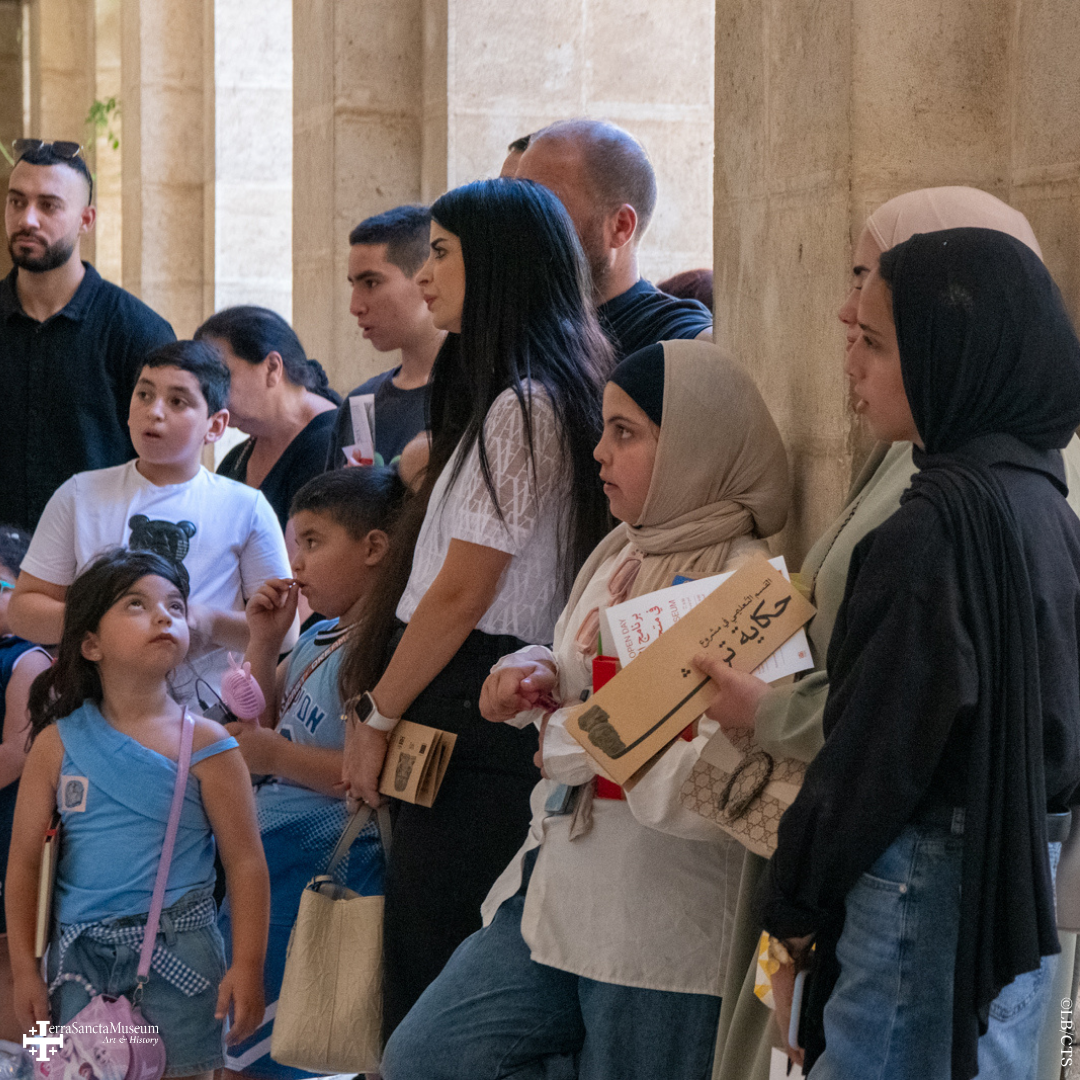
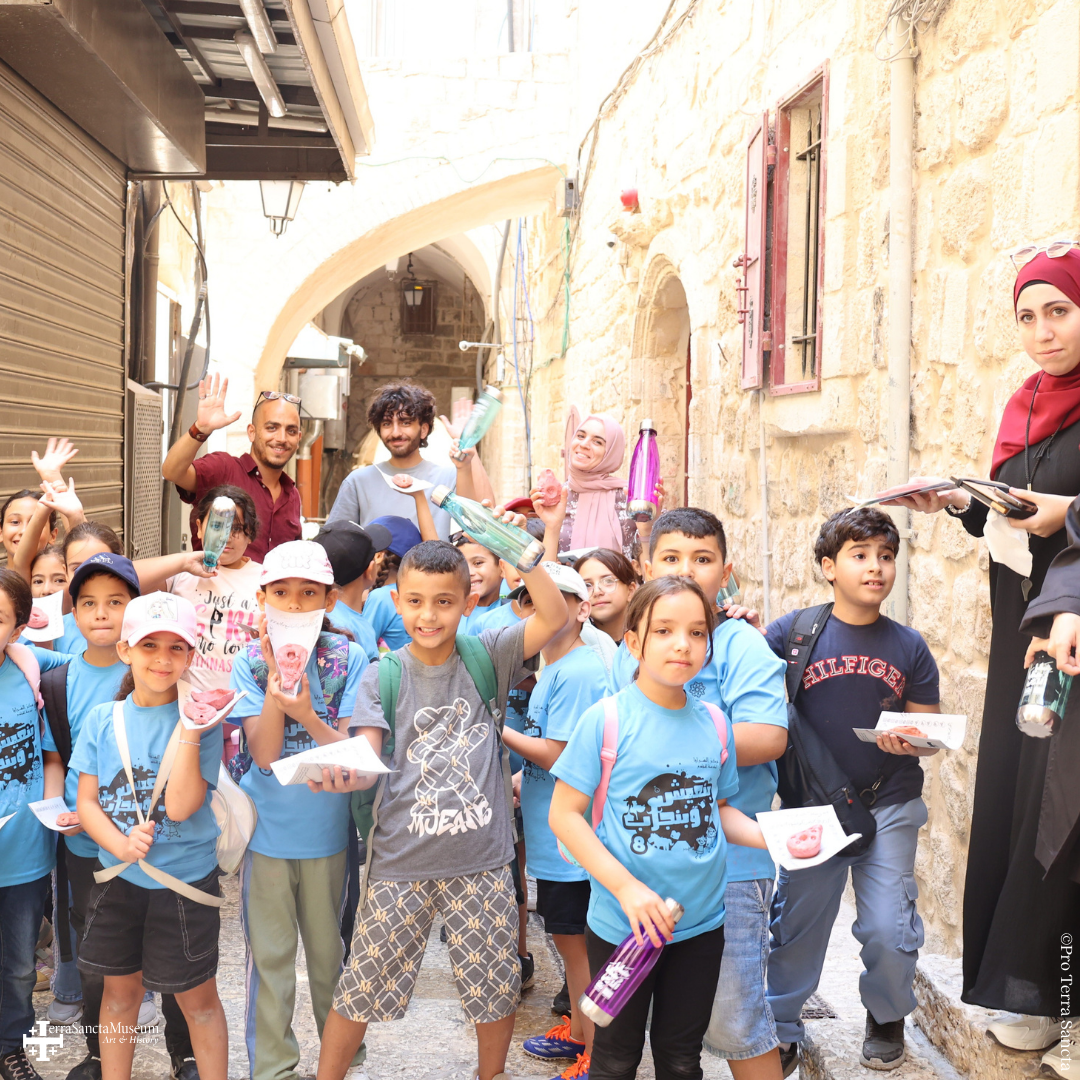
A unique project is taking shape in the heart of Jerusalem’s Old City, near Dar al-Consul, the space dedicated to cultural mediation at the Terra Sancta Museum. Hakayet Turath, literally “Stories of Heritage” in Arabic, is an educational and cultural initiative led by the NGO Pro Terra Sancta and funded by the European Union. Built around the Terra Sancta Museum’s collections, the program seeks to make culture accessible to all: children, families, students, and local communities.
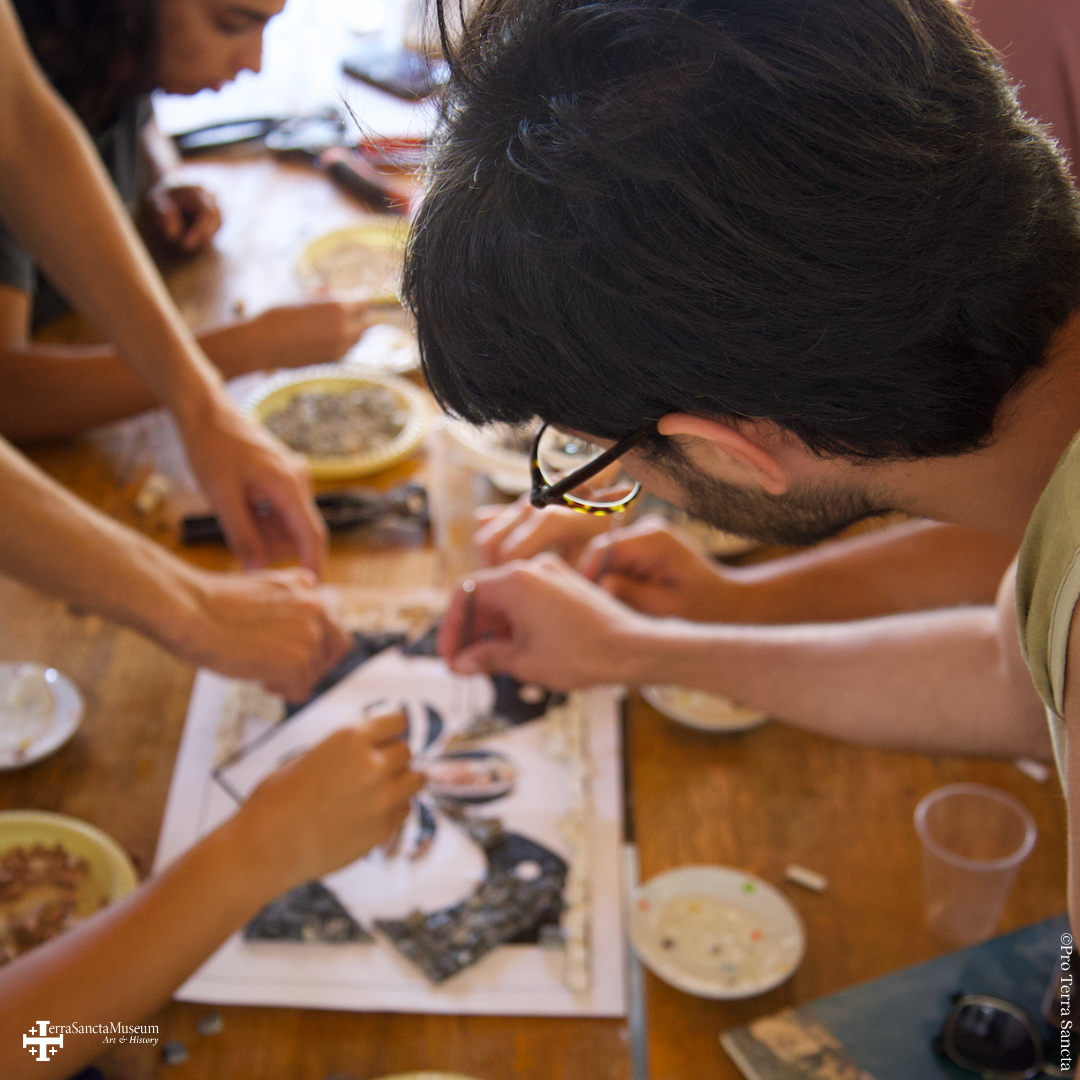
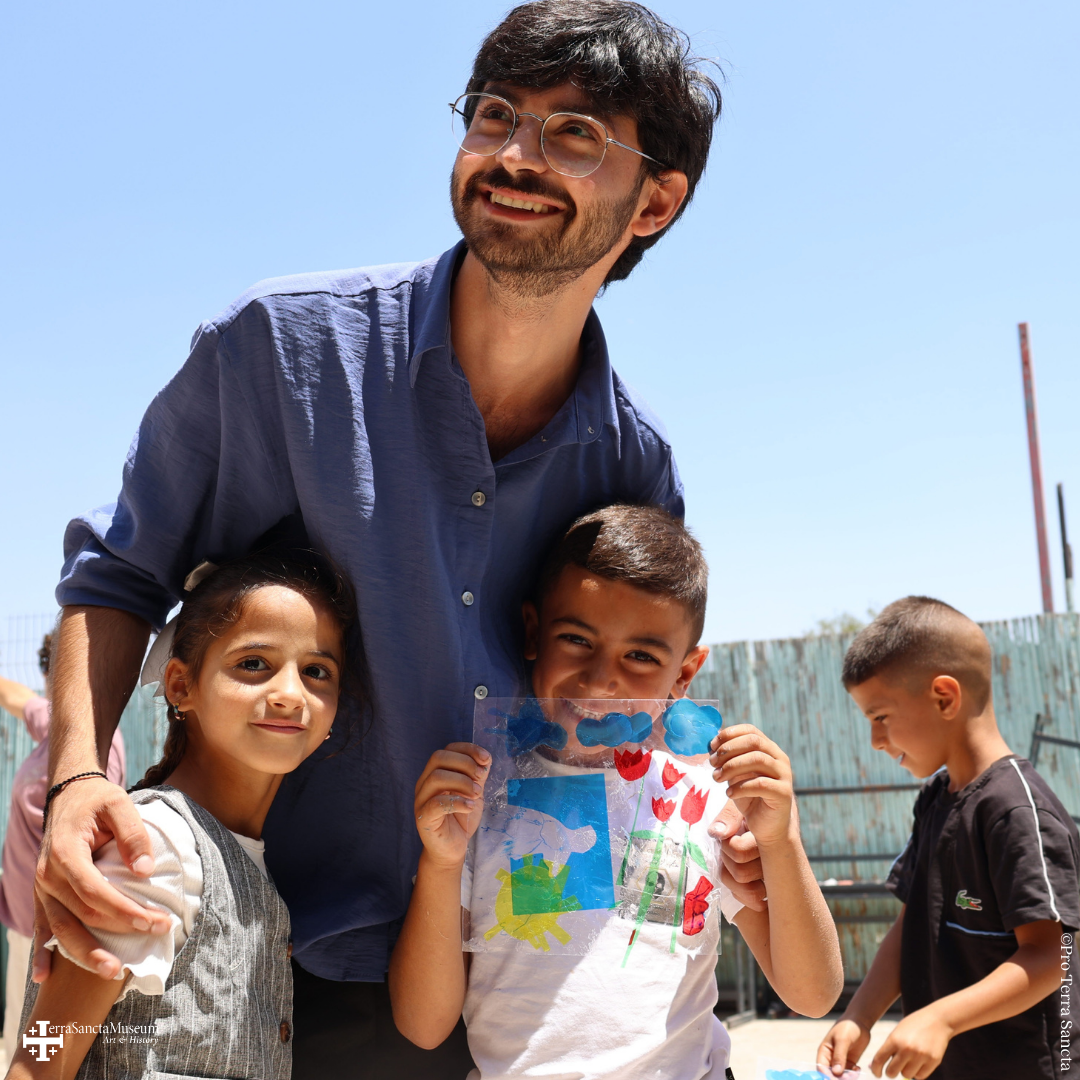
This project, based on interactive and participatory methods, combines art workshops, museum visits, educational publications, and even a mobile museum that travels to nearby villages and schools, reaching people where they live. Artists, educators, and academics collaborate to strengthen Palestinian identity, convinced that heritage must remain alive if it is to be shared.
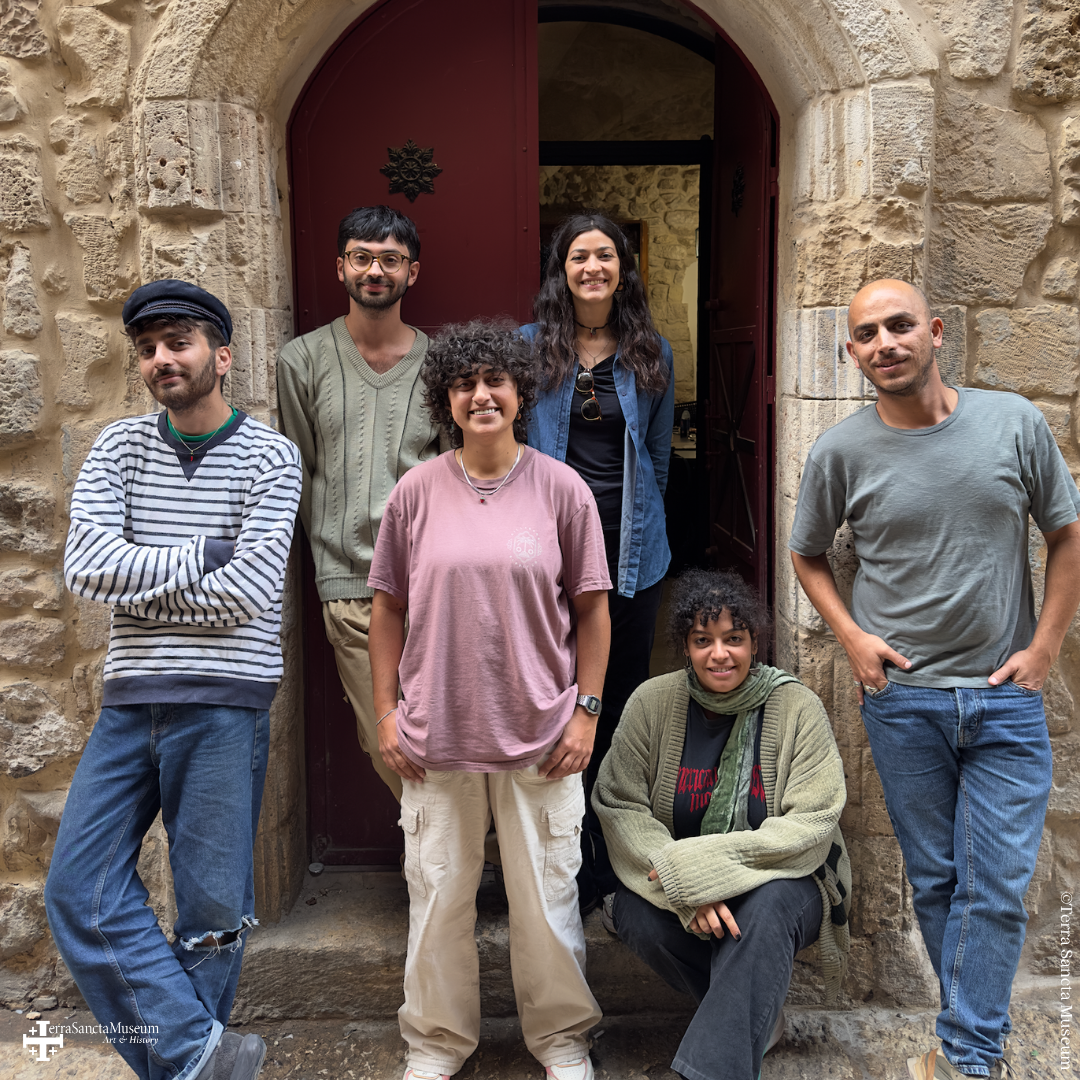
A Diverse and International Team
Behind this project stand a variety of profiles and stories. Among them is Morgane Afnaim, 30, an Italian who has lived in Jerusalem for four years and serves as project manager. She oversees general coordination and supports a team of seven people on a daily basis. Working alongside her is Hussam Ghosheh, a 36-year-old Palestinian responsible for cultural heritage education and mediation. There is also Rinad Kulghasi, 26, from the Shu’fat refugee camp located 3 km north of Jerusalem. A graduate in archaeology and tourism from An-Najah National University in Nablus, she represents the new generation of mediators trained within the project. As a junior educator, she contributes to cultural mediation activities and leads visits for young people and families.
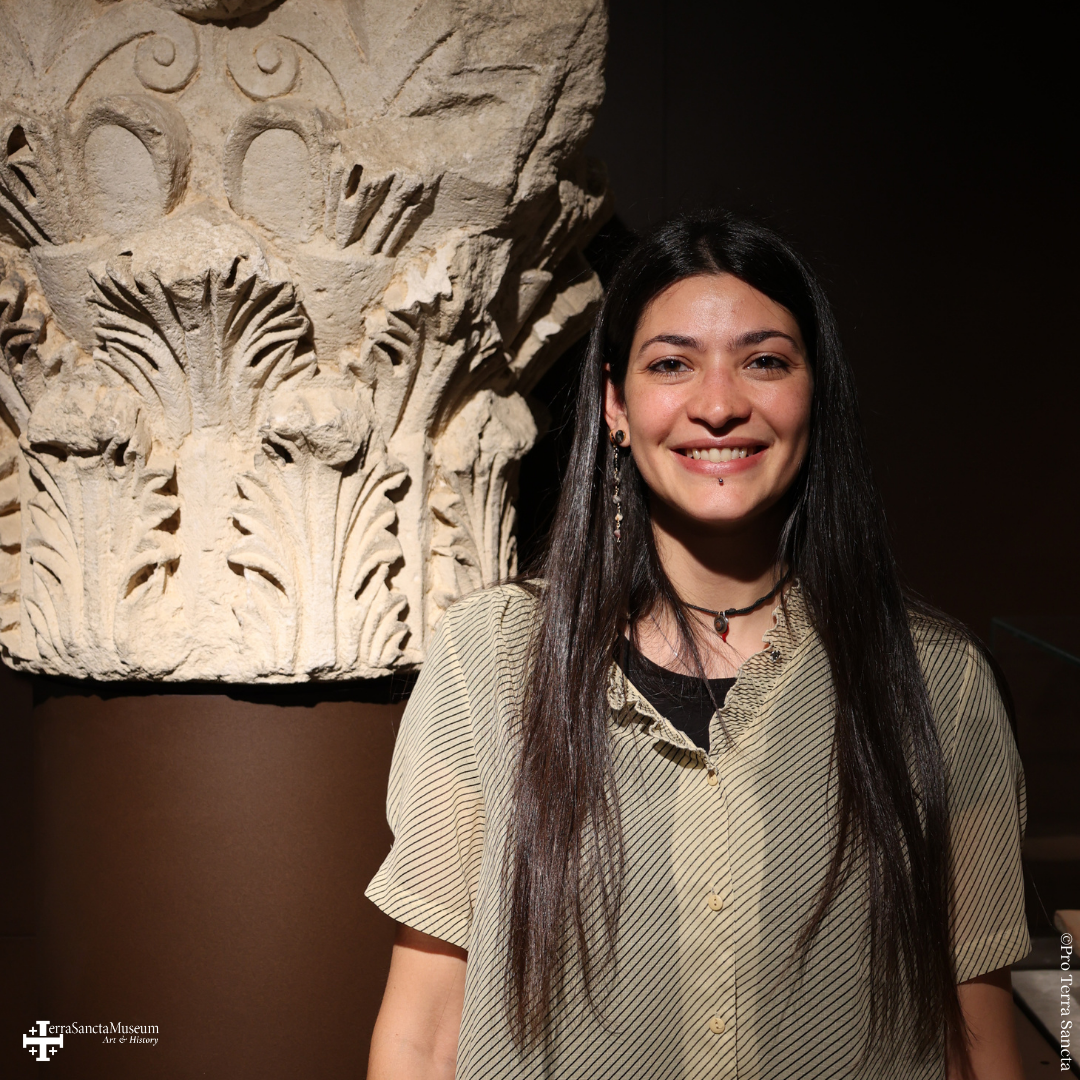
A Project Rooted and Built Together
Over the years, Morgane has learned that everything begins with observation and dialogue: “The project is always built through a shared process. We start by being on the ground, observing, talking with partners and cultural actors to understand educational and conservation needs. We always try to adopt an inclusive approach, to listen to the community’s needs, and to co-create activities with them rather than impose a ready-made program,” she explains. Nothing is fixed or predetermined: adapting to reality and current needs is essential. Each new project builds on lessons learned from previous ones. The same is true for Terra Sancta Museum: Heritage Education Hub for Palestinian Youth, which follows on from Terra Sancta Museum (TSM): A Community Living Museum for Palestinian Youth, both projects funded by the European Union within the East Jerusalem Program.
Since 13 August 2024, the European Union has supported the implementation of five major cultural mediation activities: a clay lamp-making workshop, an excavation activity, and an educational theatre performance, among others. Since September 2025, new activities have enriched the program, including a stamping workshop at the Palestinian Heritage Museum in Jerusalem. The project has been met with great success.
Resistance and Cultural Reclamation
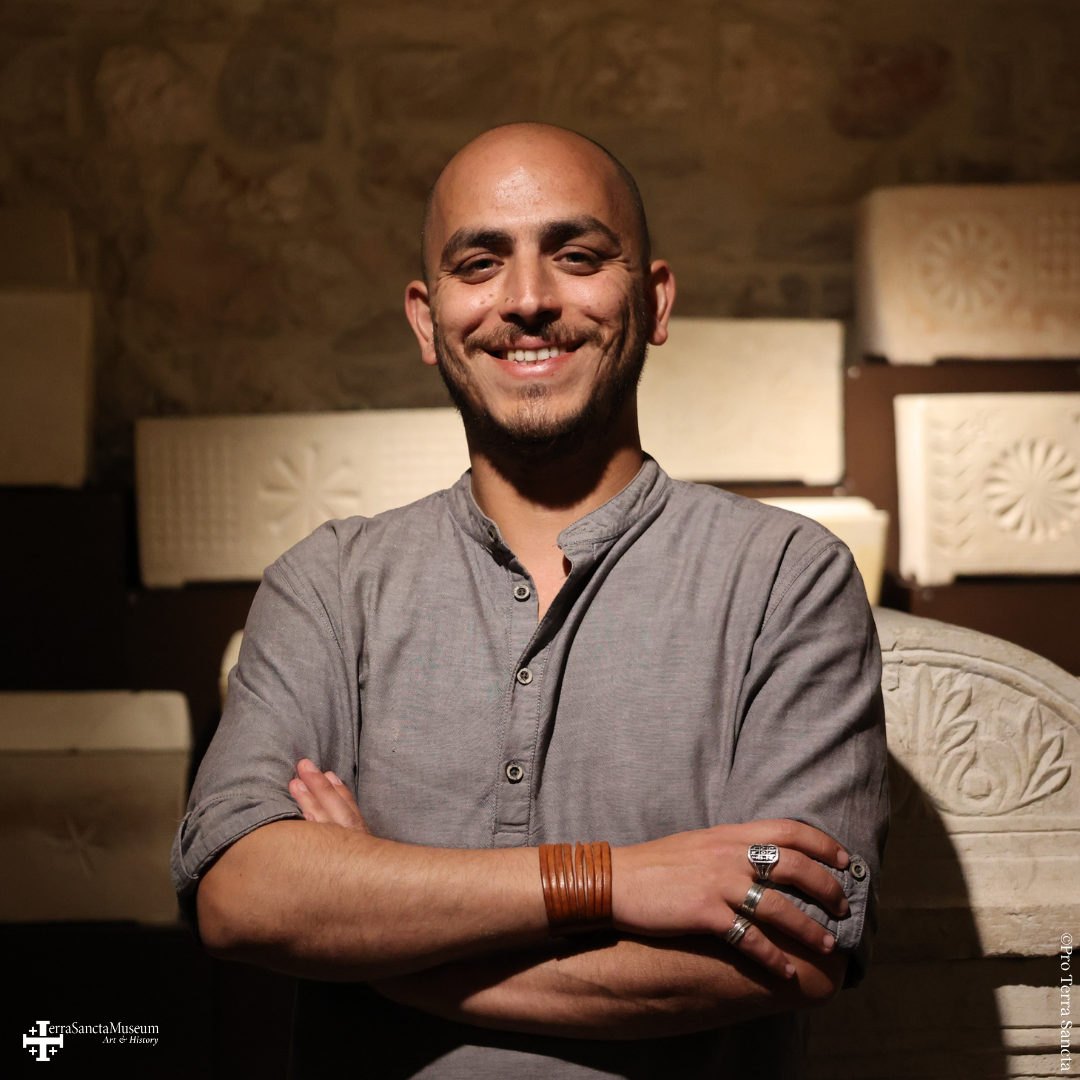
A native of Jerusalem’s Old City, Hussam sees cultural mediation first and foremost as a way to exist in his own city: “Being involved in this project is an act of cultural resistance. It is my way of reconnecting with my hometown and bringing back to life a heritage that is mine.” The Hekayet Turath project is becoming a true educational hub dedicated to cultural heritage, while opening new perspectives for young Jerusalem-based professionals. Every day, Hussam witnesses the concrete impact of his work when engaging with children, teenagers, and families.
Over the past year, 671 children have taken part in the activities, coming from East Jerusalem and neighboring villages such as Nabi Samuel, Al-Jeeb, Deir Abu Mashal, Aboud, and Bethlehem. The project aims to reach a total of 8,000 students, 1,000 young people, and 200 families, representing 90% of Palestinians in Jerusalem’s Old City. It is carried out with six main partners: the Spafford Centre, Burj Luqluq, Al-Saraya Centre, The Palestinian Heritage Museum of Jerusalem, the Palestinian Museum in Birzeit, and other collaborations, as for Riwaq. It plans to support 30 schools by 2027 and is already collaborating with the Terra Sancta School, the At-Tur Girls School and the Alberuni School of Shuafat.
For Hussam, every activity conducted at the museum goes beyond educational value: it serves as a vehicle for social connection and cultural ownership within the community. He expresses with passion: “It is a way of proving every morning that we exist, that we are still here.” His involvement in the project is rooted deeply in culture and community engagement. Curious and persistent, Hussam is not alone in carrying this initiative: Rinad Kulghasi is one of the young cultural mediators trained through the project.
A Duty to Transmit
Rinad summarizes the purpose of her commitment right away: “I want to give my community what I did not have access to growing up. I want to teach my community the importance of museums and heritage because it is our history, on our land.”
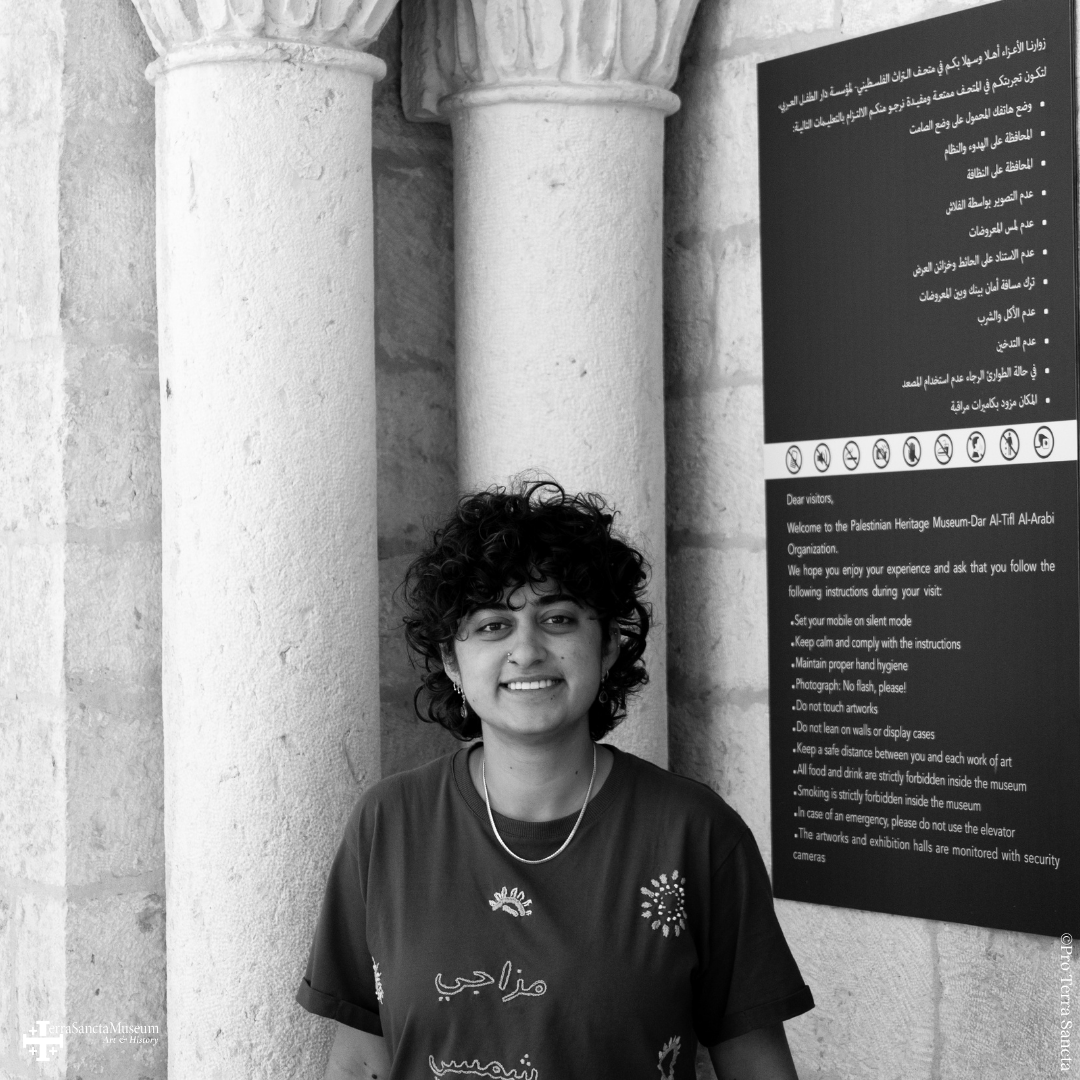
With a degree in tourism and archaeology, Rinad has taken courses in history and museum mediation, particularly at the Islamic Art Museum, where she trains as a guide. Within the project, she helps with the creation of new guided tours and trails and logistics of workshops. Since joining the team, she has been discovering little-known sites of Jerusalem, giving meaning to her role: “Being able to give back to my community is a responsibility.” Still learning, Rinad continues to train herself from project to project, linking her passion for heritage with her commitment to her community.
Beyond Borders
All members mention a major challenge: the political context. Checkpoints, movement restrictions, and militarization of public spaces make the work uncertain. “We always need a plan B, sometimes even a plan C. Working in the context of Jerusalem means living in uncertainty, but it also reminds us how essential it is to encourage Palestinian communities to reclaim their heritage.”
Hussam adds: “The biggest challenge is the political situation: movement is restricted by checkpoints, and we work in the middle of a war zone.” Rinad confirms: “As a child, I crossed checkpoints every day to go to school. Today, I want young people to access culture without obstacles.” This is the spirit in which the mobile-museum approach was born, an initiative that aims to reach communities in East Jerusalem, beyond the separation wall, to make culture accessible to all.